Early Detection of Influenza A in Pigs Through Sound-Based Monitoring
By PH Rathkjen, LM Jensen and C. Alonso
Using real-time respiratory health monitoring to guide targeted, cost-effective sampling and treatment decisions.



Highlights
KEYWORDS
Targeted diagnostics, Influenza A, Early warning
COUNTRY
Denmark
YEAR
2022
Summary
Background & Objectives
Detection of Influenza A virus (IAV) in a practical, non-invasive and welfare-friendly manner that is as cost-effective as possible has high relevance for veterinary practice. This study aimed to determine the agreement between the respiratory health status (ReHS) indicated by sound monitoring (SoundTalks®)—which transforms pig respiratory sounds into a 0–100 metric—and the positive detection rate of IAV and PRRSV in oral fluids (OF) and air samples (AS), to choose the most practical and least costly sampling method.
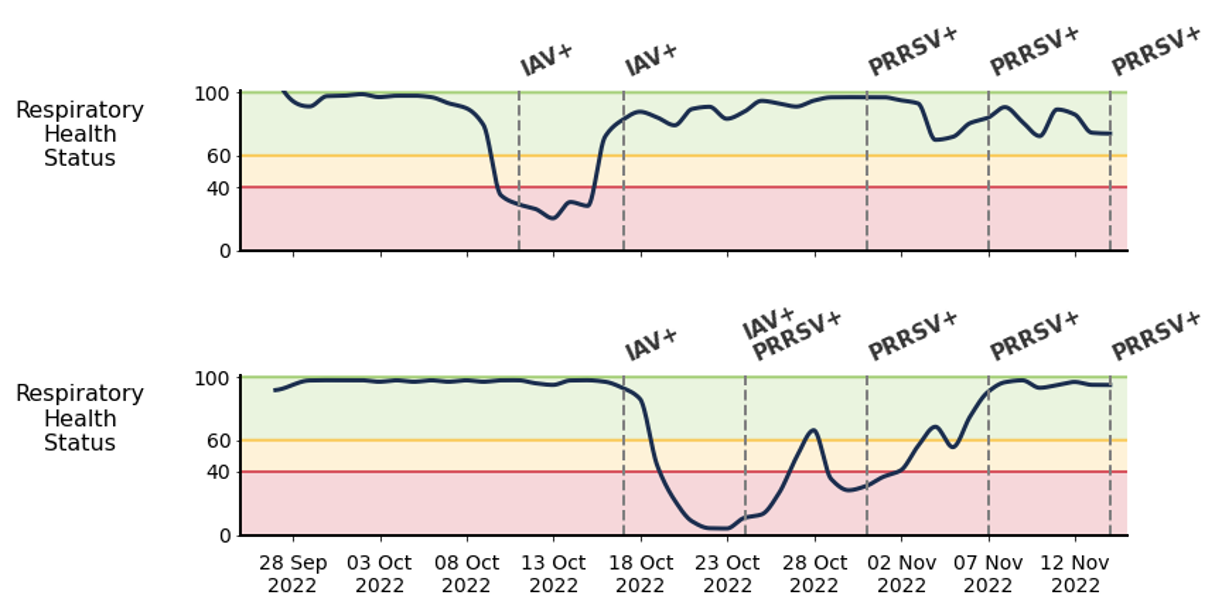
Figure 1. Relation between positive AirPREM™, oral fluid samples and ReHS alarms in Batch 1 and 2.
Materials & Methods
Two weekly batches of 1,100 weaned pigs (4-week-old) were split into two rooms of 550 pigs each, equipped with sound monitors. Every week, eight OF samples were collected from 16 pens and pooled into one sample. Air samples were collected (AirPREM® cub at 200 LPM) for one hour. All samples were cooled and tested for IAV and PRRSV. Agreement between ReHS status and the two sampling methods was calculated by the Kappa coefficient by pathogen.
Results
A total of 56 PCRs—28 pooled OF and 28 AS—were evaluated. For IAV, the detection-rate agreement between OF and AS was 92%. Agreement between OF+AS and a ReHS alarm (value < 60) was 56.2%. When the two days after the alarm period (occurred in 1/5 ReHS episodes) were included, agreement was 78.6%. For PRRSV, low agreement was observed between OF, AS, and ReHS.
Discussion & Conclusion
Sound-based alarms were closely related to IAV detection in nursery pigs and are a valuable method to identify the optimal time for testing. IAV was detected in pigs during ReHS alarms and up to two days afterward. The high agreement between the two sampling methods, combined with timely ReHS alarm information, supports choosing the cheapest and most practical sampling strategy for practitioners.
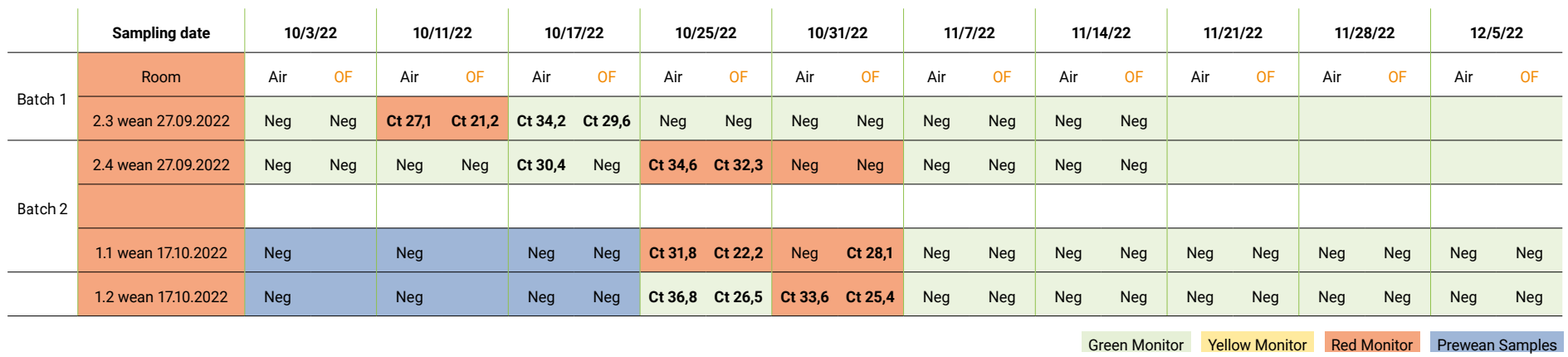
Figure 2. Study design and positive IAV PCR results from Batch 1 and 2.
Reference
See how SoundTalks can help
you detect and act smarter
Whether you're a farm manager, health and welfare partner or researcher, we're here to help you detect earlier and act smarter.
CONTACT