Improved decision-making for better performance and lower use of antibiotics
PH Rathkjen, LM Jensen, C Alonso
Antibiotic treatment is only efficient if it is applied at the exact time of infection and should be saved if not needed. The objectives of this study were to use real time ReHS monitoring to determine the actual moment of respiratory distress to improve the quality and reduce the quantity of antibiotic treatments in a commercial nursery.



Highlights
KEYWORDS
Antibiotic, Monitoring, Respiratory Health, Nursery pigs
COUNTRY
Denmark
YEAR
2021
Summary
BACKGROUND & OBJECTIVES
Antibiotic treatment is only efficient if it is applied at the exact time of infection and should be saved if not needed. The objectives of this study were to use real time ReHS monitoring to determine the actual moment of respiratory distress to improve the quality and reduce the quantity of antibiotic treatments in a commercial nursery.
MATERIALS AND METHODS
64 batches from 13 rooms of approximately 550 pigs were followed from wean to end of nursery over a 12 month period (May–April). One SoundTalks® (ST) monitor was placed on each room in order to monitor the respiratory health status. Mortality and treatments were registered in Cloudfarms and the number and timing of antibiotic treatment days per batch in relation to ReHS status and mortality were calculated. Cross sectional Oral Fluid samplings were performed 6 times during the study to check for IAV, PRRS, PCV2, Strep suis, Glaesser and Pasteurella.
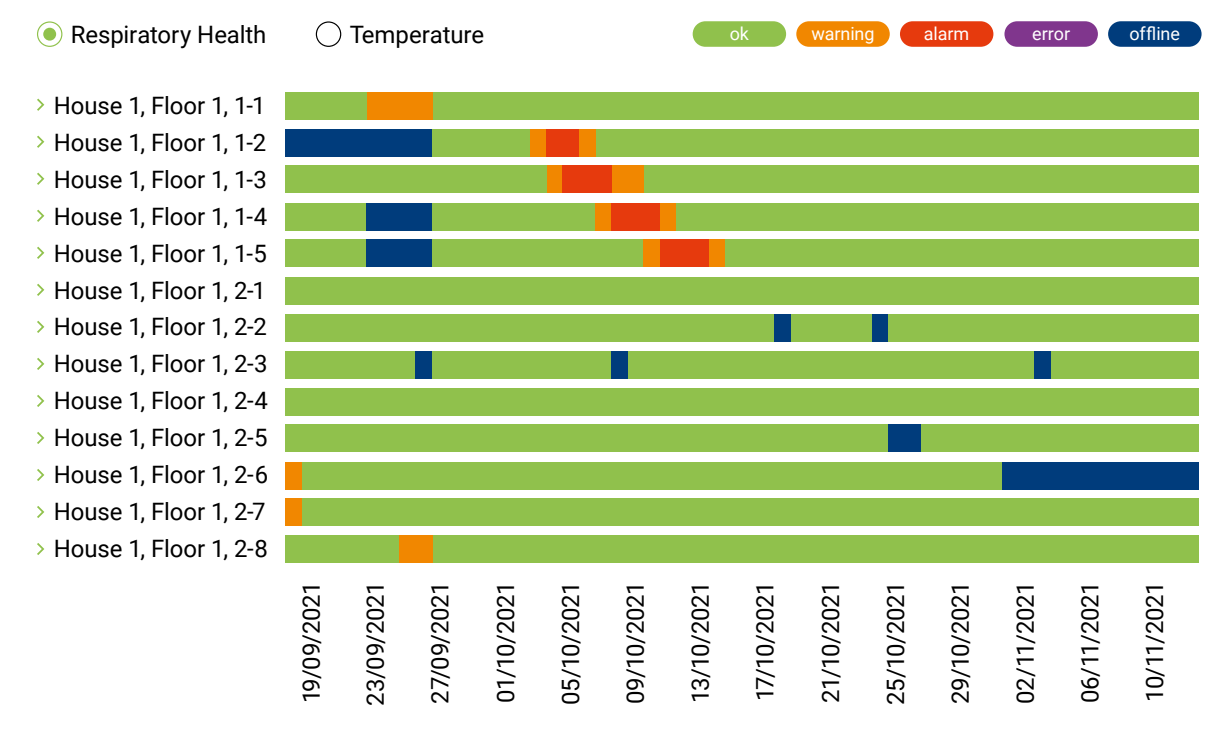
Figure 1. Heatmap showing ReHS alarm status per room for a 7 week period. Pigs were treated with antibiotics starting the first day of yellow or red monitor. No alarm no treatment.
RESULTS
18 out of 64 batches (28%) never had a ReHS alarm period and hence not treated with antibiotics. The average number of treatment days in ReHS positive (ReHS-pos) batches were 2.6. Mortality rate in ReHS-pos and ReHS-neg-batches were the same (3.2 vs 3.4 respectively). During the winter season, (October – Mach) average number of treatment days and mortality days were higher than during the summer season May – October and March – April) (4.7 & 3.7 vs 3.1 & 1.5) respectively. Three bacterial pathogens were detected in all samplings (ReHS-pos and ReHS-neg). IAV was detected only in ReHS-pos batches.
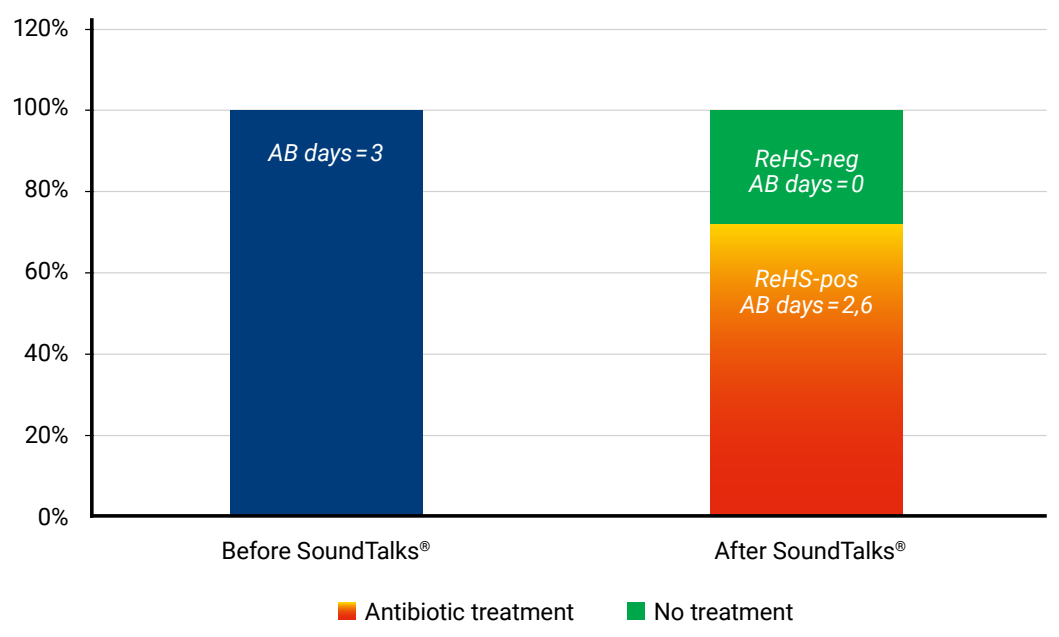
Figure 2. Share of antibiotic batch treatment and average treatment days before and after ST related to ReHS status.
DISCUSSION AND CONCLUSION
Results from this study demonstrated the importance of continuous monitoring of nursery population in order to ensure the accurate detection/intervention in the face of a respiratory outbreak. Under the conditions of this study, the implementation of SoundTalks® lead to a 28 % reduction in the use of antibiotics as compared to routine pre-emptive mitigation by calendar without compromising mortality. Furthermore, necessary antibiotic treatments were placed exactly at the time when the pigs were suffering respiratory health issues, hence increasing the chance to hit the actual pathogen at the right time. Following the results from this study, where it turned out that most of the respiratory health problems were initiated by IAV, treatments were directed more into antipyretic treatment and less antibiotic treatments, saving even more than the resulting 28% from this study. Objective, automated and real time monitoring of respiratory health lead to accurate and timely interventions and saves antibiotics.
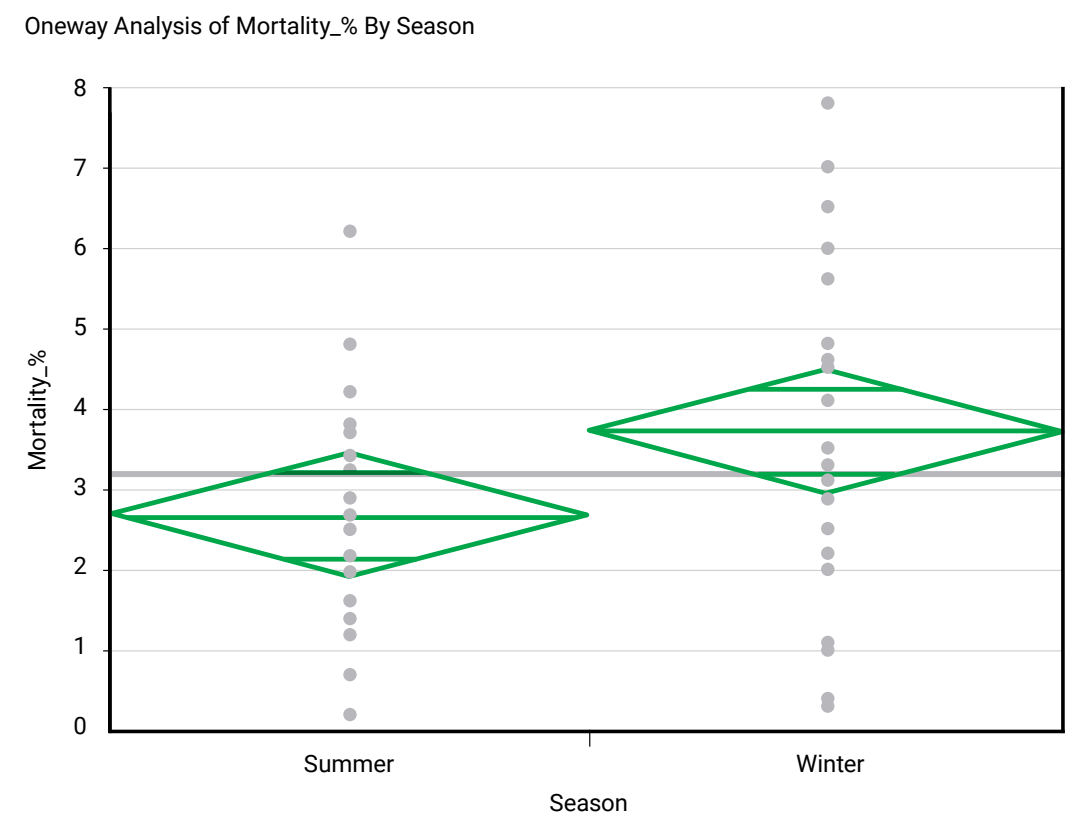
Figure 3. Treatment days and mortality was higher during winter than during summer period but not different between batches with different ReHS status.
Reference
See how SoundTalks can help
you detect and act smarter
Whether you're a farm manager, health and welfare partner or researcher, we're here to help you detect earlier and act smarter.
CONTACT